Best DIY Ceramic Coating Kits for Cars (2026)
Published 2026-05-13
Ceramic coating used to be a pro-only service with a $500–$2,000 price tag and a waiting list. Now there are DIY kits that deliver real SiO2 protection for under $50. The trade-off: you have to do the prep work yourself. And prep is where most DIY ceramic jobs fail — not the coating application, not the product choice, but what happens (or doesn't happen) before the bottle even opens.
What Ceramic Coating Actually Does
A ceramic coating bonds to your clear coat at a chemical level and creates a hard, hydrophobic layer that repels water, blocks UV radiation, and resists light surface scratches and chemical contaminants. Once cured, water sheets off aggressively and washing becomes noticeably easier — dirt and road grime don't bond to a coated surface the way they do to bare or waxed paint. It's not scratch-proof, and it won't fix existing swirl marks or oxidation. It's a protective layer, not a restorative one. A good coating done right gives you 1–3 years of protection depending on the product, your climate, and how often you wash. In high-UV, high-dust environments — Phoenix, Las Vegas, Southern California — the UV blocking alone makes it worthwhile.
Spray Ceramic vs. 9H Kits: Know the Difference
Spray ceramic coatings (Turtle Wax Hybrid Ceramic, Meguiar's Hybrid Ceramic, etc.) are easy to apply — spray on, spread with a microfiber, wipe off — and add a real layer of SiO2 protection. But the layer is thin and typically lasts 3–6 months. Good for a maintenance boost or a first experiment with the category, but not a long-term solution. True 9H ceramic coating kits are a different product class. They require precise application, a controlled environment, and a cure window of 24–72 hours, but the protection lasts 2–5 years depending on the product. The "9H" designation refers to pencil hardness — it's an industry-standard hardness benchmark, not a marketing number. The application process is less forgiving: you're working with a product that starts curing within a few minutes of hitting the panel.
Prep Is 90% of the Job
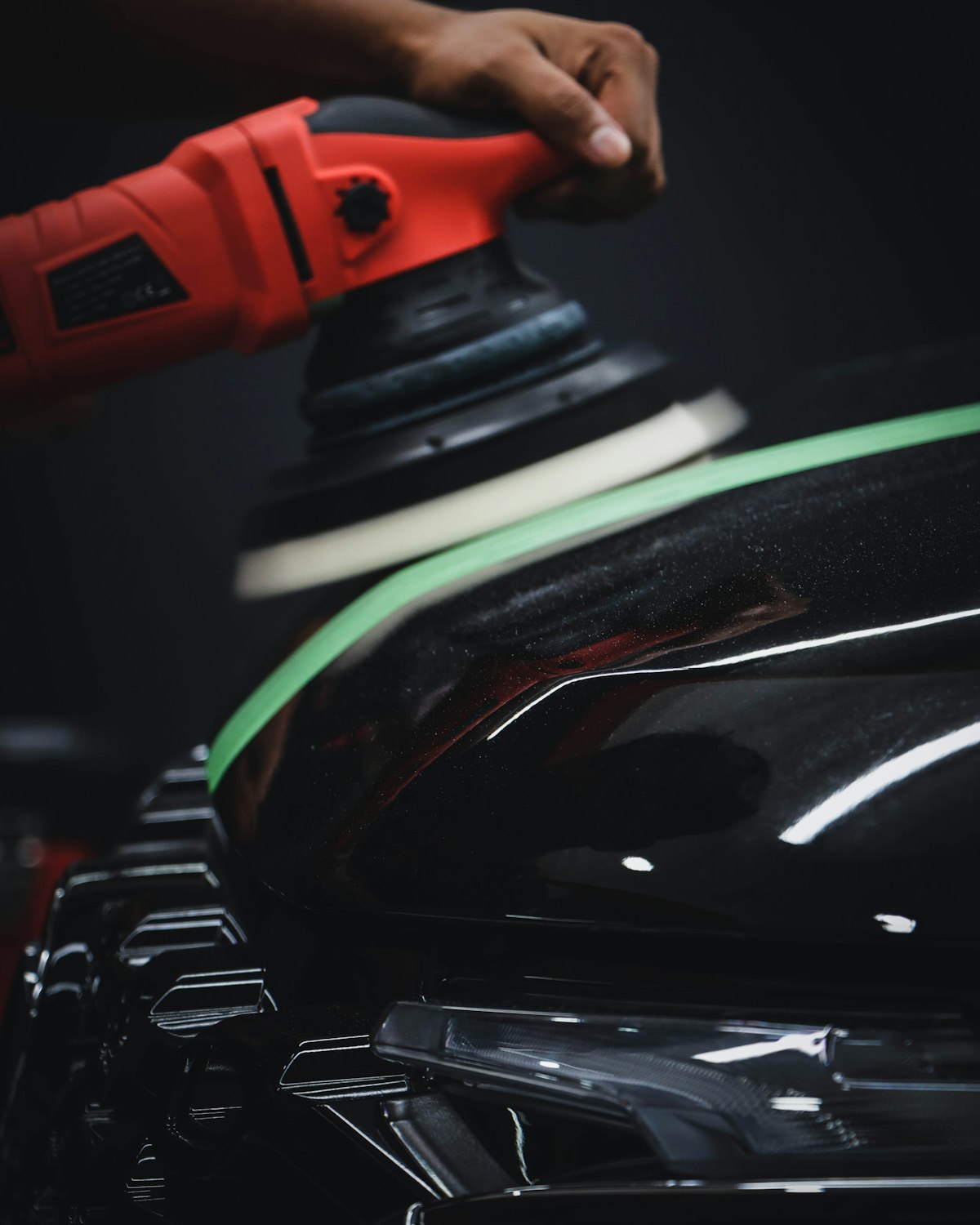
This is the part most DIY guides underemphasize. If you apply ceramic coating over contaminated paint, over swirl marks, or over residual polish oils, you're locking those problems in permanently. The sequence that actually works: Start with a full wash — foam cannon, two-bucket rinse, rinse thoroughly. Follow with a clay bar decontamination pass. You're pulling out embedded fallout, iron particles, rail dust, and industrial overspray that washing doesn't remove. The paint should feel glass-smooth after this step — run the back of your hand across a panel in a clean plastic bag if you want to feel the difference. If there are swirl marks or light scratches, polish now — before you coat. The ceramic will lock them in if you skip this. After polishing, do an IPA wipe-down: isopropyl alcohol (70–90%) on a clean microfiber, panel by panel, to remove polish oils and residue. This is the step people skip most often, and it's the one that actually lets the ceramic bond properly. Then coat.
Application: The Details That Matter
Work indoors or in shade. Direct sun causes the coating to cure too fast and will leave high spots you can't buff out without abrasive polishing. Work one panel at a time — the coating starts to cure within 1–3 minutes on a warm panel. Apply with the included suede or microfiber applicator in overlapping passes, then watch for the rainbow flash: a slight iridescent haze that appears as the coating begins to level and cure. That's your window to wipe it off with a clean, dry microfiber. Too early and you smear uncured product around. Too late and you get high spots that require compounding to remove. Temperature and humidity matter. Most products specify 50–77°F and below 70% humidity. Outside those ranges, cure times shift unpredictably. Don't wash the car for 24–72 hours after application — check your specific product for the exact window, and longer is better.
When to DIY vs. When to Pay a Pro
If your paint is in decent shape — no deep scratches, no heavy oxidation, no multiple layers of degraded wax and sealant — DIY ceramic is genuinely achievable on a Saturday. If your paint needs serious correction work, a professional detail and paint correction first makes sense, and you can still apply the coating yourself afterward. The mistake is paying for a professional ceramic coating application on paint that hasn't been properly corrected. You're paying a pro rate to seal in problems. Whether you DIY or pay for application, the prep quality is what determines the result.
What You Need for a DIY Ceramic Coating Job
The prep supplies matter as much as the coating itself. A clay bar kit and polishing compound are the steps most people skip — and they're exactly what determines whether the coating looks right or locks in every flaw you already had.
As an Amazon Associate, NearbyWash earns from qualifying purchases.